Google Drive reneged on unlimited storage for Education accounts once they realized that universities also contain researchers who need to store huge amounts of data.
Not only did they cut unlimited, they went to insultingly low limits with not much warning after all their nice promises. Moderately large universities ended up with less space per student than the 15GB they give out to anyone for free. It was a pretty bad rug pull.
Massive fraud from abroad didn't help there either. A favorite backup spot for terabytes of pirated media, complete with guides on which schools had good @edu addresses for it.
Hadn't even considered your obvious point, a good one!
I use the non-Pro version for 1080p streaming and have for years. It’s great, does what I want and gets out of the way. Some years ago they were forced by Google to use the standard AndroidTV UI instead of their own custom one, which means it now shows ads on the home screen (a carousel of “watch this on service X”), which are inoffensive enough I haven’t bothered to circumvent them. You can swap to your own custom UI if you want with some ssh futzing.
I don't think that's the case. The numbers in the paper suggest ~92% of the training data comes from pre-existing AI models, including AlphaFold, and they claim things like:
> We largely adopt the data pipeline implemented in Boltz-11
1https://github.com/jwohlwend/boltz (Wohlwend et al., 2024), which is an open-source replication of AlphaFold3
I believe the story here is largely that they simplified the architecture and scaled it to 3B parameters while maintaining leading results.
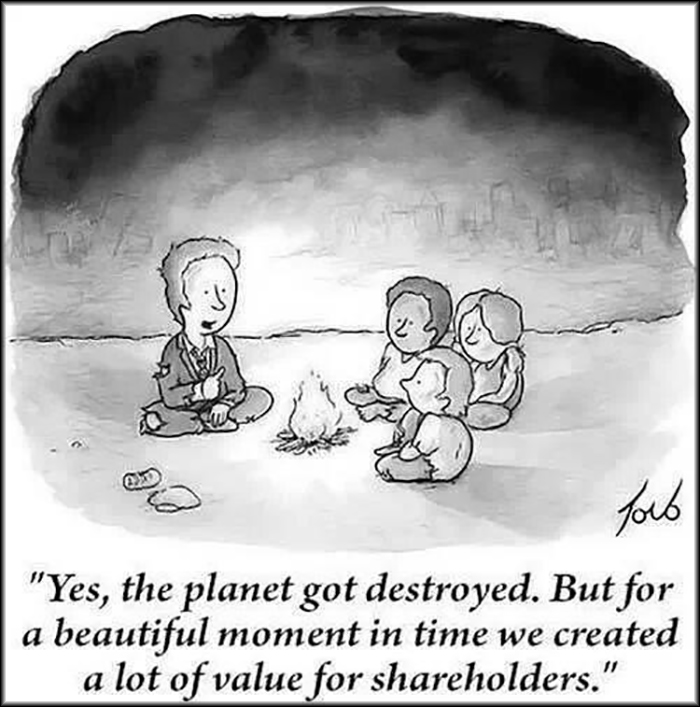
If value was actually created every time before it was distributed to shareholders, it wouldn't be nearly as bleak as when the value is instead rapidly extracted from a long-term reservoir to make the numbers go up.
On this topic, can anyone find a document I saw on HN but can no longer locate?
A historical computing essay, it was presented in a plaintext (monospaced) text page. It outlined a computer assistant and how it should feel to use. The author believed it should be unobtrusive, something that pops into awareness when needed and then gets back out of the way. I don't believe any of the references in TFA are what it was.


reply