"I knew at that moment I wanted to run my own robotics company. I have been hell bent on it ever since."
Robotics is a tough business. The problems tend to be way underestimated. Even by the big names, like John McCarthy and Vic Scheinman. There is progress, but it's slow. I've done some stuff there myself, but never made money off it, although I sold some technology off to the game industry.
Linear motors have never made it big. They exist, but they're a tiny niche and cost too much. I once was very interested in Aura, which made the electrical equivalent of a hydraulic cylinder, but they went off into strange directions, first subwoofers for gamers (the Aura Interactor), then some financial mess.
If you're building RF stuff, as this guy was, the test gear you need is quite expensive. More expensive than what you need to build the product. Big problem for startups.
This guy seems to have failed to research the history of the fields he was in. That's important in technically hard areas. Otherwise you repeat old mistakes.
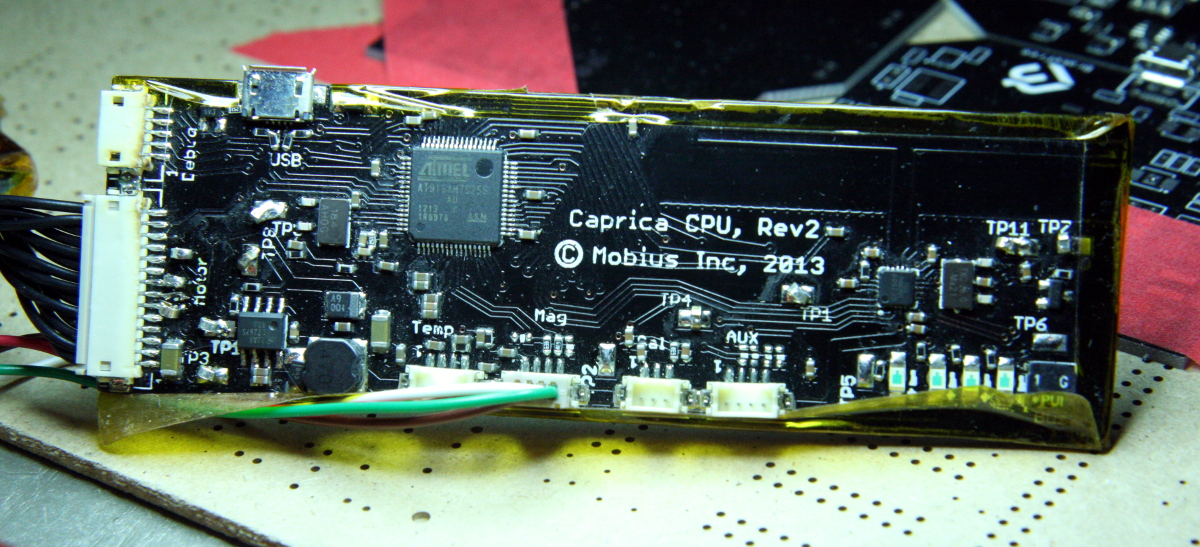
Well I did have the help of Silicon Valley’s most talented RF guy, who had met me and agreed to lend me his time and lab to help test my product. I never could have gotten this off the ground without him. Even if I got things working with my first layout, I’d never have been able to solve the manufacturing problem I had when the fab house swapped the RF crystal for 5 different clones.
I did get a functional RF design that passed FCC testing, but the fear of regulations around RF sunk me. I read the specifications for wireless in the US, EU, Australia and New Zealand and designed a frequency hopping wireless protocol that I believe satisfied all three regions rules. The protocol supported operating in the 902-928 MHz band, 915-928 MHz band, and the 865-870 MHz band with pseudorandom channel schedules picked as a hash of the network name.
But damn it was a lot of work. And then I found out about how the FCC also issues directives that maybe count as law too, so it’s not just part 15 you have to comply to...
I suppose that could be called a lack of research. I saw it as naïveté and optimism, which might be the same thing. I learn everything else by doing so that was my plan for learning to run a business. I can’t research everything so I just dive in and see what happens. I was desperate to do something.
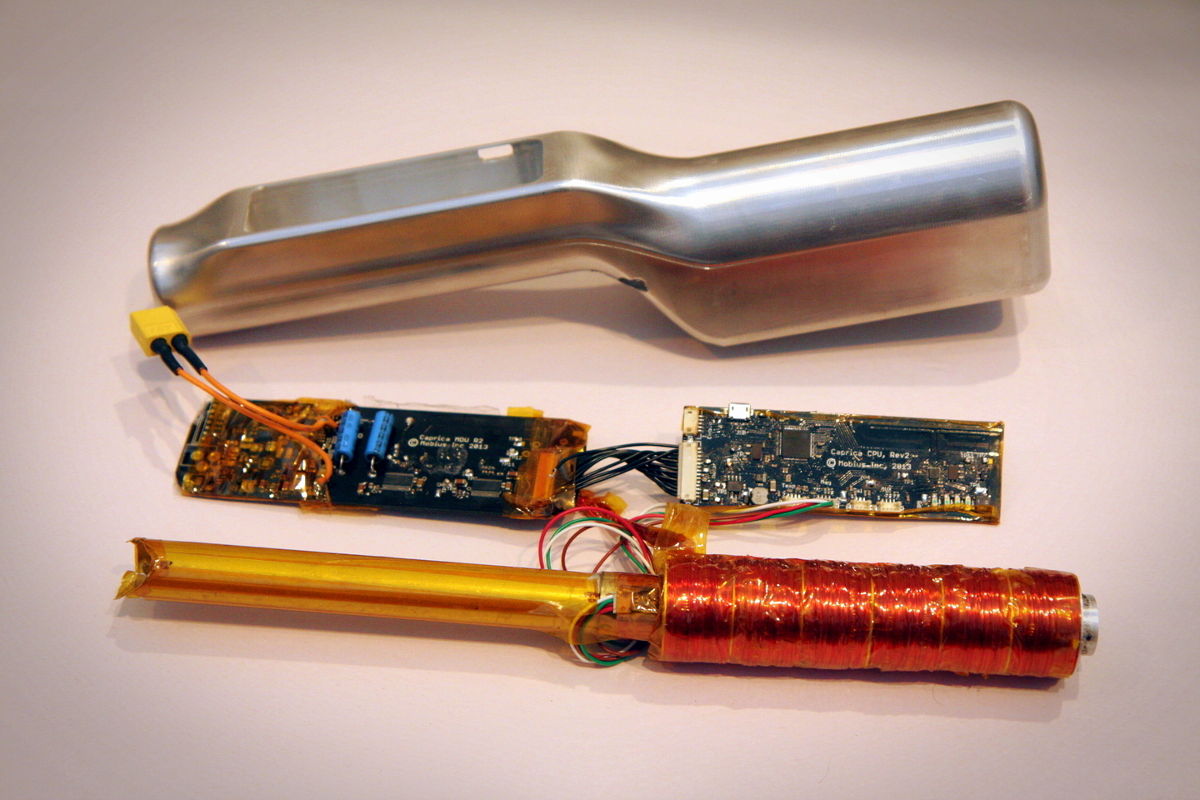
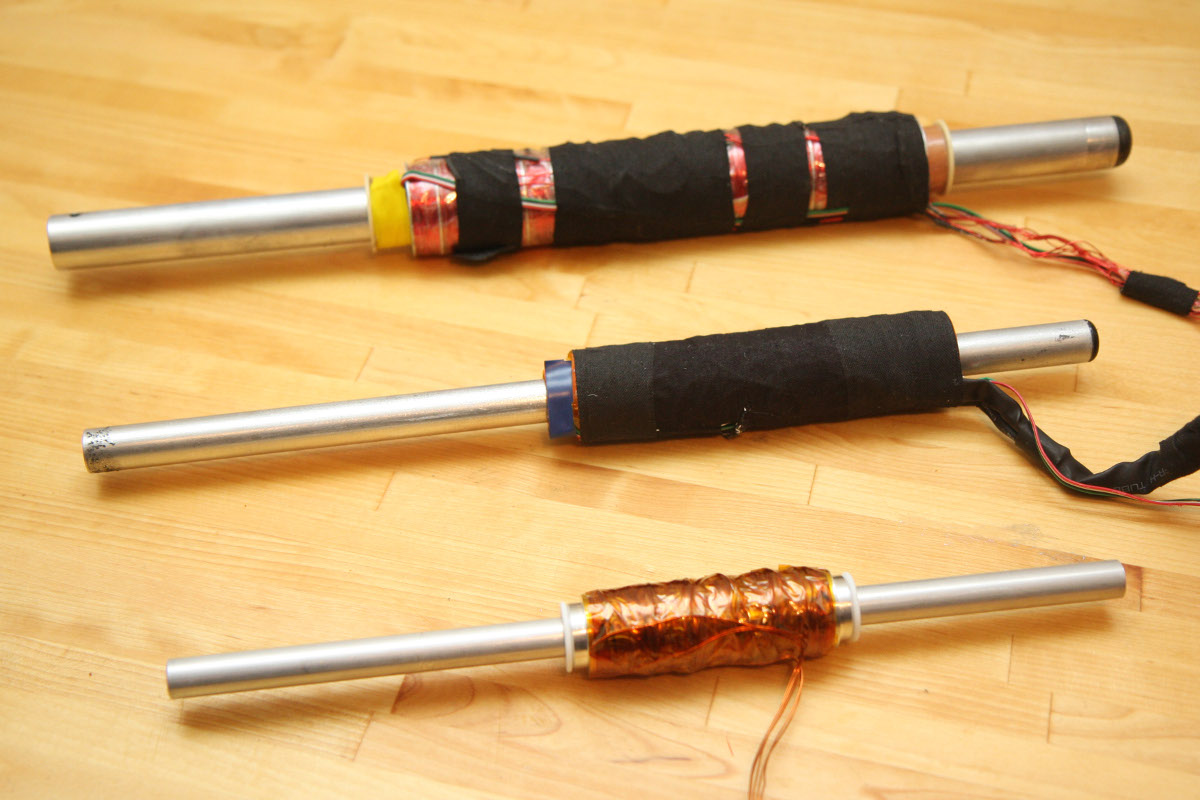
As far as the linear motors, they were specifically sex toys. The linear motors worked, but only at the prototype stage and they needed better electronics and software to work at the desired speed and smoothness the application would require. Here’s some videos I have not posted publicly, but have thought I should share (safe for work):
As a small business I was trying to compete with awkward or overly expensive “sex machines” for the niche kink market. Our closest competitor sold for $2k, and my bom cost was $200, so hopefully 2x-5x lower BOM cost than the competitor.
If you're trying to start a real business, your competitors are mass market sex toys with a $2 BOM cost, not one-off dildo-sawzalls pieced together in someone's garage.
I strongly disagree. Thrusting sex machines are not competing with a $2 vibrator. The goal is not to orgasm but to have an experience worth having, and thrusting sex machines provide a vastly different experience from a vibrator. The competition I describe was a functioning small business and not a sawzall. Honestly your comment seems super dismissive to me, and I don’t really understand the vitriol after I’ve shared honestly my experience for all to benefit from.
I wasn’t trying to start a billion dollar business. I was the only employee and I wanted to make enough to support myself while making a fun product. Unfortunately the product was too complex for me to do it myself, especially at that skill level.


Robotics is a tough business. The problems tend to be way underestimated. Even by the big names, like John McCarthy and Vic Scheinman. There is progress, but it's slow. I've done some stuff there myself, but never made money off it, although I sold some technology off to the game industry.
Linear motors have never made it big. They exist, but they're a tiny niche and cost too much. I once was very interested in Aura, which made the electrical equivalent of a hydraulic cylinder, but they went off into strange directions, first subwoofers for gamers (the Aura Interactor), then some financial mess.
If you're building RF stuff, as this guy was, the test gear you need is quite expensive. More expensive than what you need to build the product. Big problem for startups.
This guy seems to have failed to research the history of the fields he was in. That's important in technically hard areas. Otherwise you repeat old mistakes.